Project Introduction:
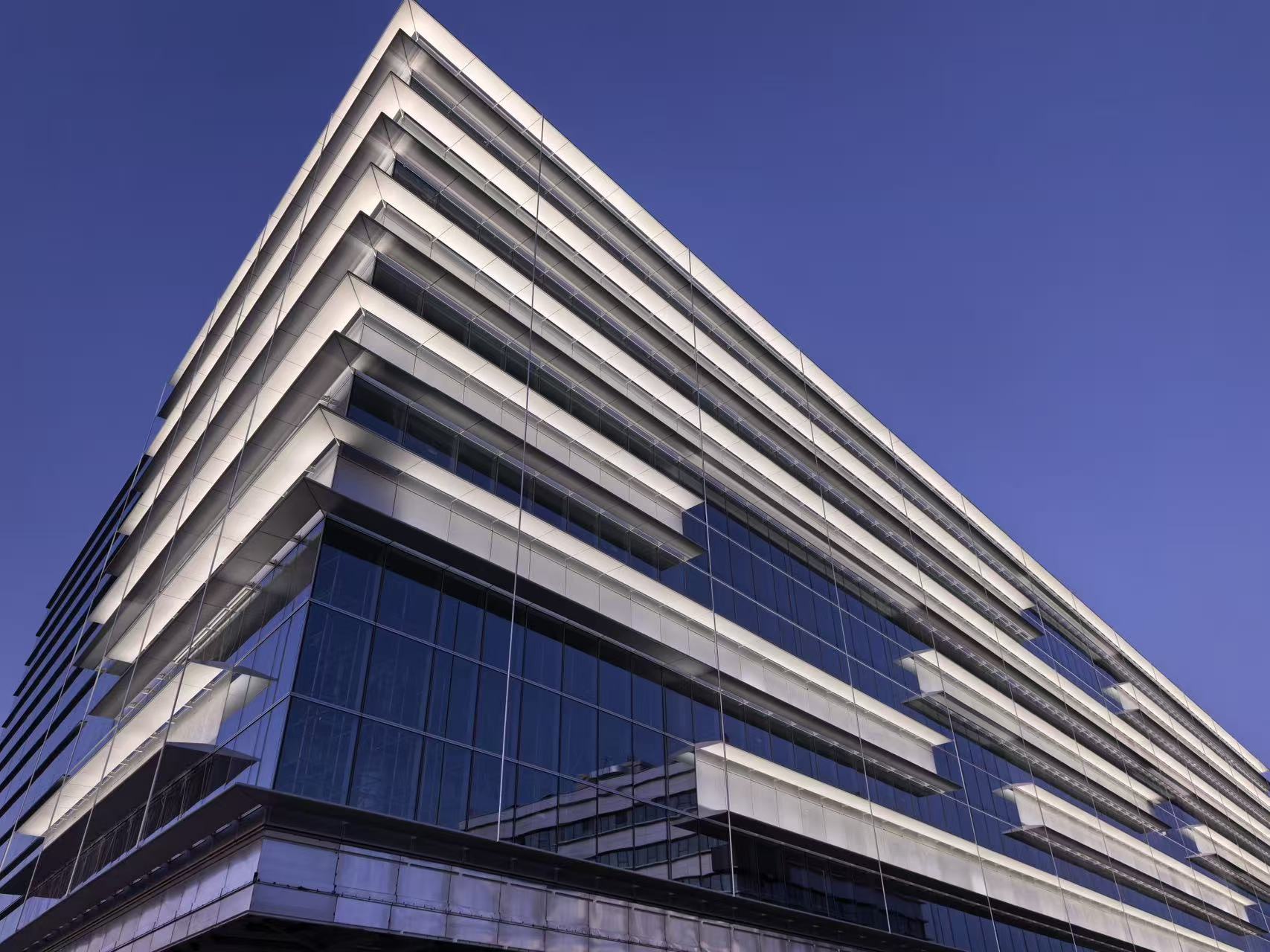
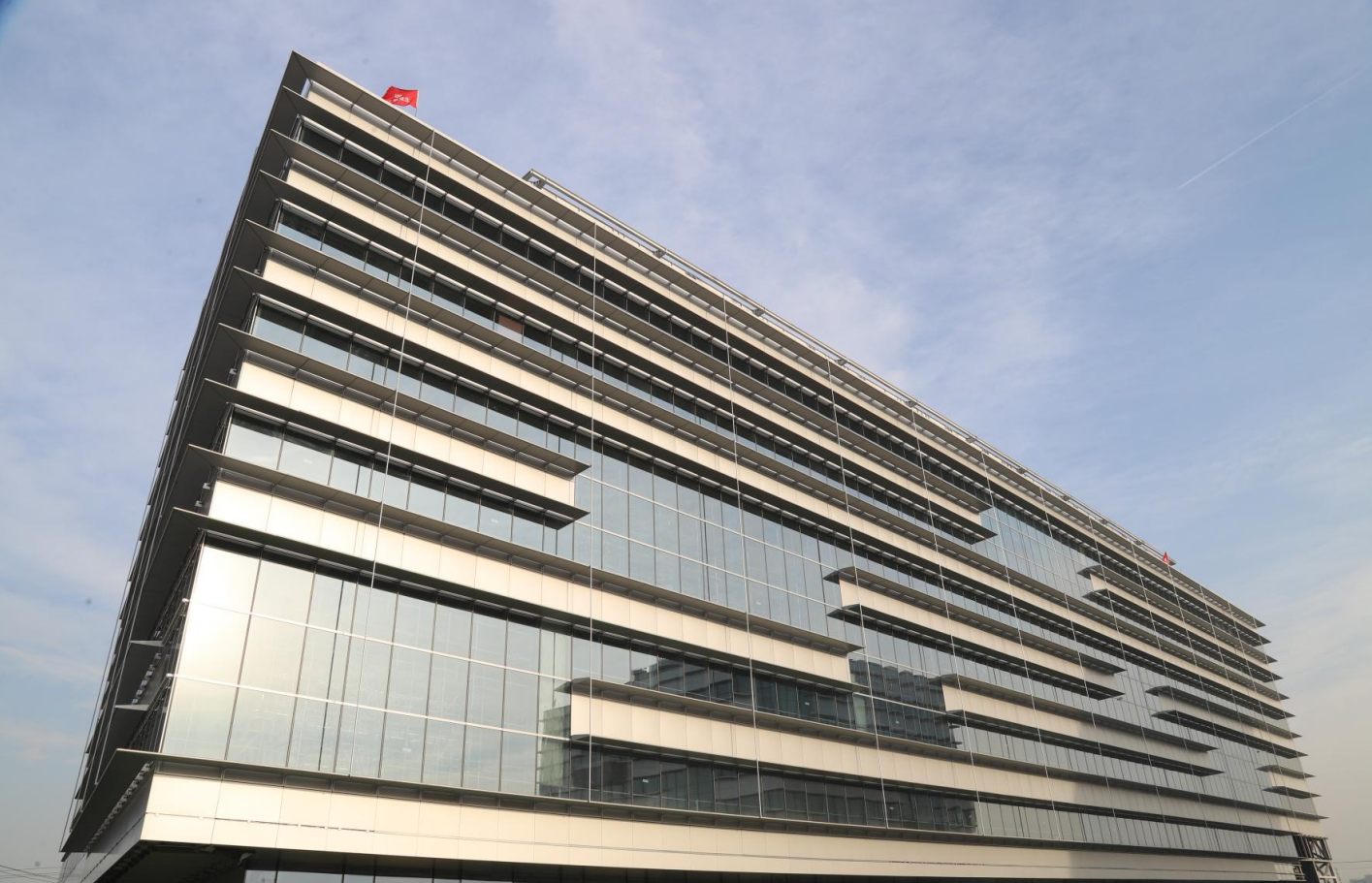
The project is located in Zhangjiawan Design Town, Beijing Capital Sub-Centre. Positioned as a "2035 Future Office Prototype," it integrates cutting-edge green building technologies and is committed to building a benchmark for the industry's low-carbon transition, serving as a national-level demonstration project for advanced green and low-carbon technologies. The project has once again selected LandVac Titanium Vacuum Glass, relying on the long-term, real-world validation of the building research institute's old building renovation. After being equipped with LandVac vacuum glass, the renovated old building has withstood seven years of daily use and environmental challenges such as temperature differences and wind pressure. Not a single vacuum glass panel in the entire building has experienced spontaneous breakage, leakage, or performance failure, maintaining stable and reliable thermal insulation, airtightness, and safety performance. Leveraging this solid, long-term proven quality, LandVac vacuum glass has been successfully applied to the new headquarters' high-end zero-carbon curtain wall system, forging a core guarantee for the building's ultra-low energy consumption and long-term durable operation. It provides an excellent template for glass application in large-scale domestic zero-carbon public buildings, demonstrating the core value of vacuum glass in the field of building energy efficiency.
Project Details:
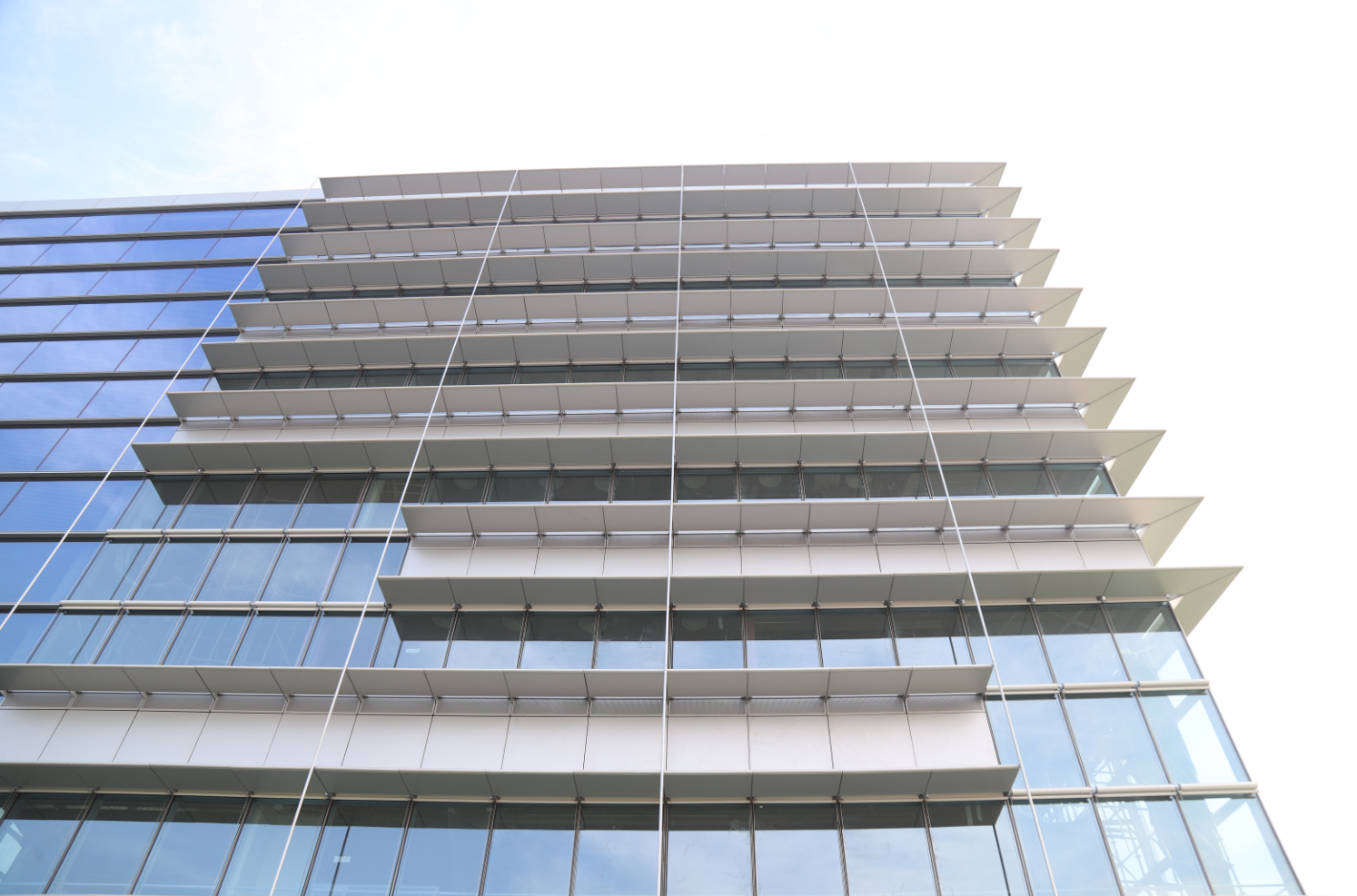
The south and west sides of the building utilise LandVac Titanium Vacuum Glass (glass configuration: 8TL+12Ar+6TL+0.3V+6T), with the total vacuum glass coverage exceeding 2,600 square meters across the building, bringing the overall curtain wall heat transfer coefficient (K-value) down to as low as 0.9 W/(m²·K). Meanwhile, the assembly rate of the project's curtain wall reaches 80%, and its airtightness, watertightness, and inter-story deformation performance all meet or exceed Grade 3 standards, constructing a high-performance building envelope system. In terms of energy saving and carbon reduction effectiveness, leveraging the energy-saving characteristics of vacuum glass, the project can achieve an annual electricity savings of 4.06 million kWh, representing an electricity saving rate of 22% and an energy saving of 15.6%. It can reduce carbon emissions by 2,990 tons annually, achieving a carbon reduction rate of 58.9%. LandVac has provided robust technical support for the implementation and grounding of vacuum glass applications, driving the industrialised application of vacuum glass in high-end architectural projects. This case fully demonstrates that with its ultra-low heat transfer coefficient and excellent comprehensive performance, vacuum glass can effectively empower buildings to achieve their energy saving and carbon reduction targets, providing a replicable solution for the green upgrading of large-scale public buildings.