How to Reduce Solar Heat Gain in a West-Facing Glass Showroom
Large west-facing glass facades can create a difficult balance for commercial showrooms. Strong afternoon sunlight can increase solar heat gain, glare and cooling demand, while street-facing glazing may also expose the interior to unwanted noise.
At the same time, reducing the glass area or relying heavily on blinds, films or other shading measures can compromise daylight, transparency and the visual openness that make a showroom attractive.
So how can a showroom control solar heat without losing the benefits of a panoramic glass facade?
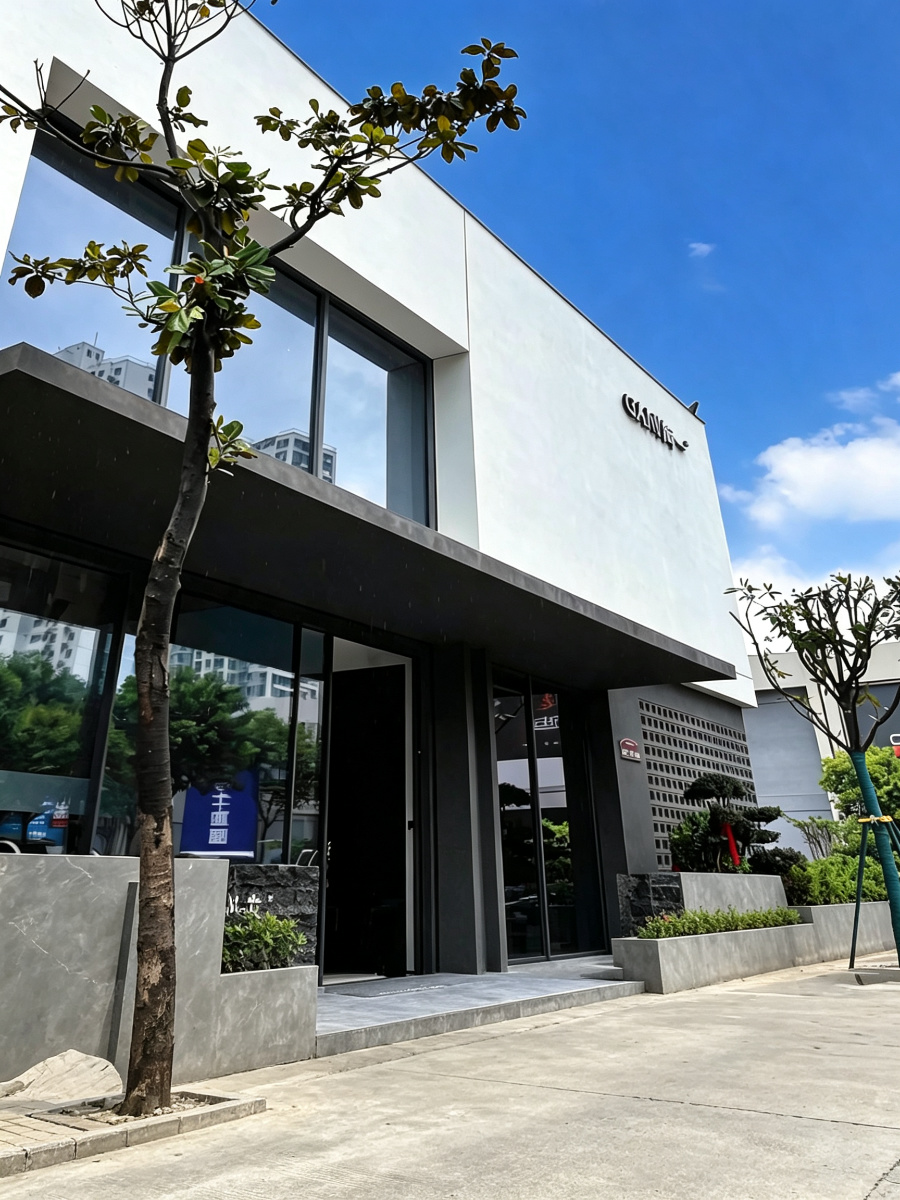
The Jianyi 4.0 Showroom offers one practical approach: using high-performance vacuum glazing to improve the thermal and acoustic performance of the facade while maintaining a bright, transparent architectural environment.
The Challenge: Managing West-Facing Glazing
The street-facing facade of the Jianyi 4.0 Showroom is exposed to strong afternoon sunlight. For a showroom that remains open throughout the day, this creates several challenges:
Solar heat gain: Strong afternoon sun can increase heat entering the space through the glass facade.
Cooling demand: Higher indoor heat gain can increase the demand placed on the air-conditioning system.
Street noise: Traffic and other outdoor sounds can affect product presentations and customer discussions.
Transparency vs. solar control: Blinds, films and other shading measures can reduce solar exposure, but may also affect daylight, visibility and the premium appearance of the showroom.
The challenge was therefore not simply to block sunlight. It was to improve the facade's thermal and acoustic performance without sacrificing its transparency and panoramic visual experience.
The Solution: LandVac Hybrid Vacuum Glass
To address these requirements, the Jianyi 4.0 Showroom uses LandVac Titanium Vacuum Glass in a hybrid insulating glass + vacuum glass configuration.
The glazing configuration is:
12T + 14A Warm Edge + 8TL Low-E + 0.3V + 8T Ultra-Clear Tempered Glass
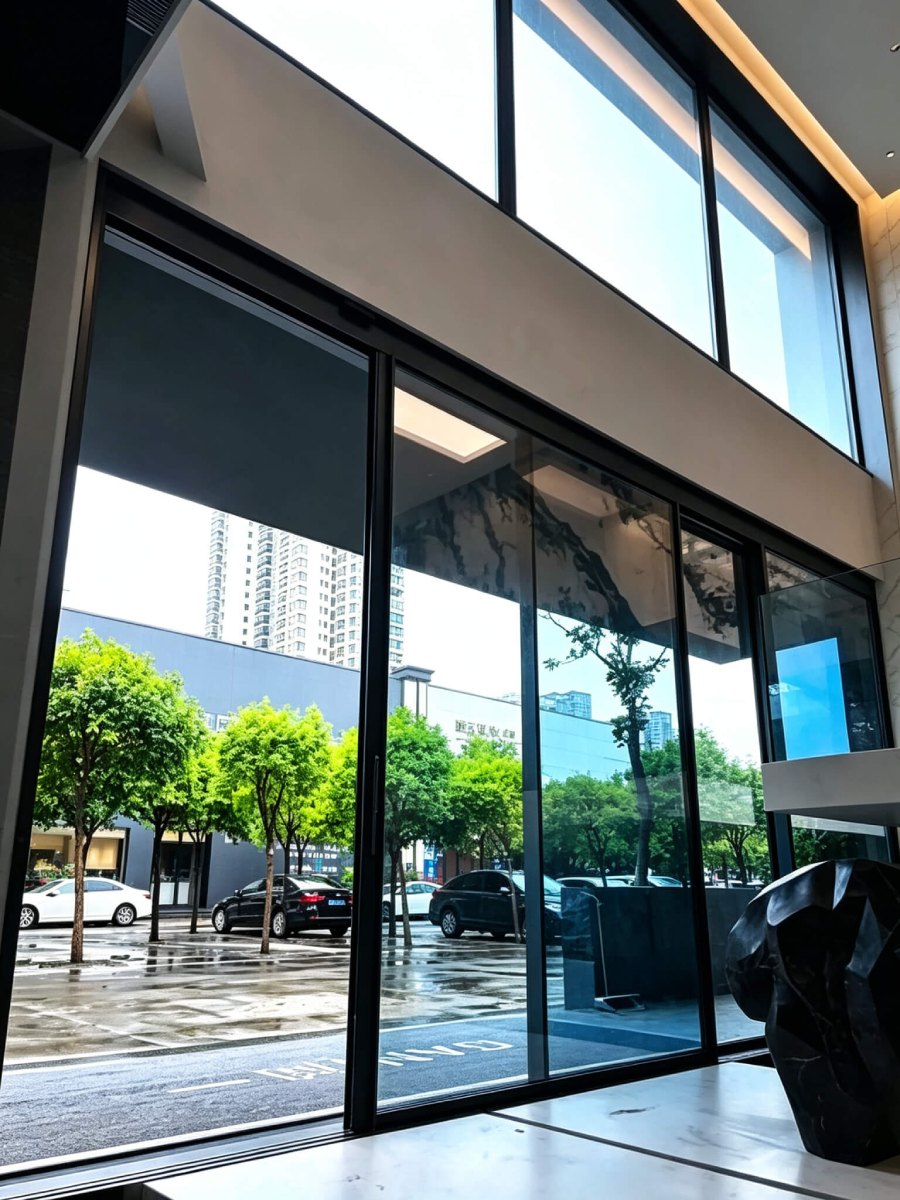
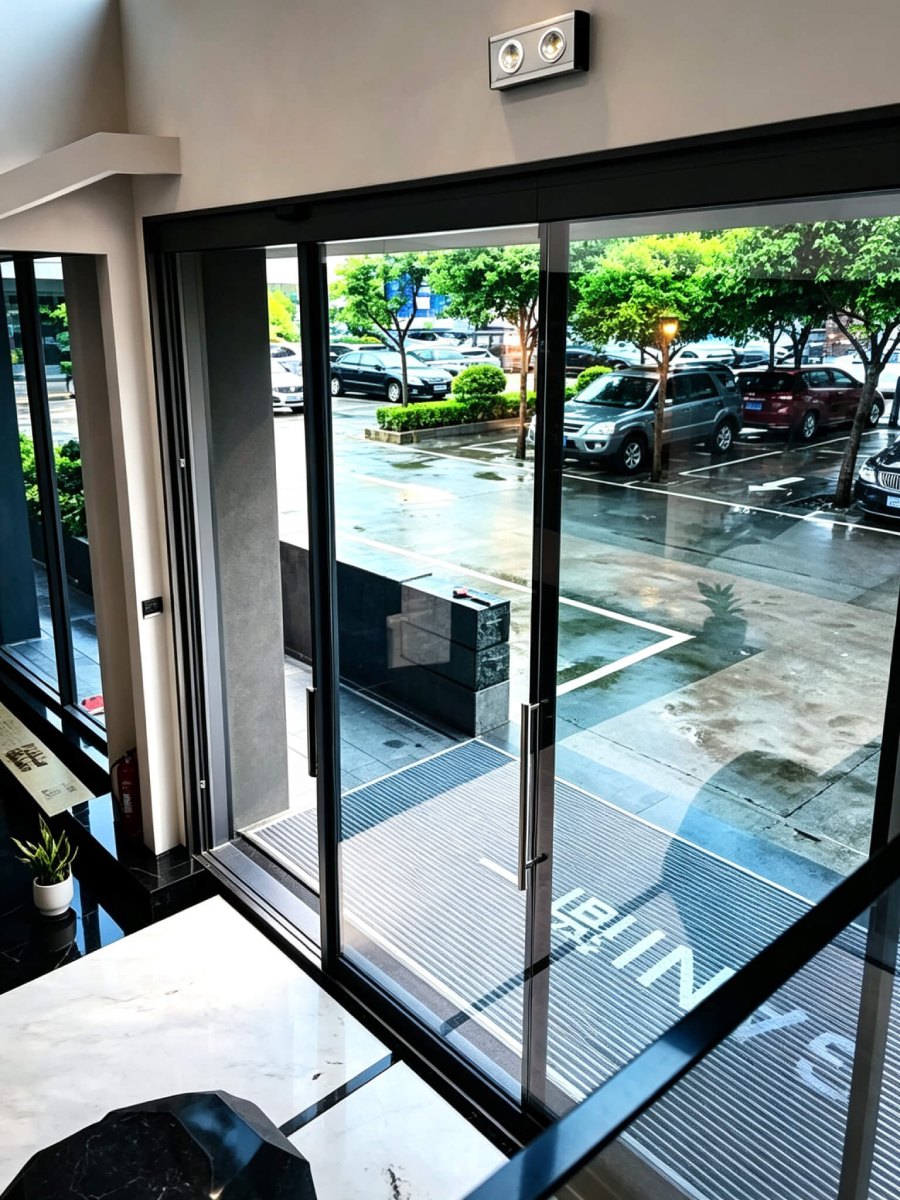
The glass is integrated into a panoramic sliding-door facade with concealed motorised tracks, creating a large transparent opening while improving the functional performance of the building envelope.
1. Reduce Heat Transfer and Cooling Demand
The vacuum layer helps reduce heat transfer through the glazing. Combined with the Low-E glass configuration, the system is designed to improve the thermal performance of the facade under strong afternoon solar exposure.
For a showroom operating throughout the day, better-performing glazing can help maintain a more stable indoor environment and reduce the cooling demand associated with the glass facade.
2. Improve Acoustic Comfort
The showroom is located along a street, where traffic and other outdoor sounds can become a source of disturbance.
LandVac vacuum glass helps improve the acoustic performance of the facade, creating a quieter indoor environment for product presentations, customer consultations and business discussions.
3. Maintain Daylight and Panoramic Views
Thermal and acoustic performance do not have to come at the expense of transparency.
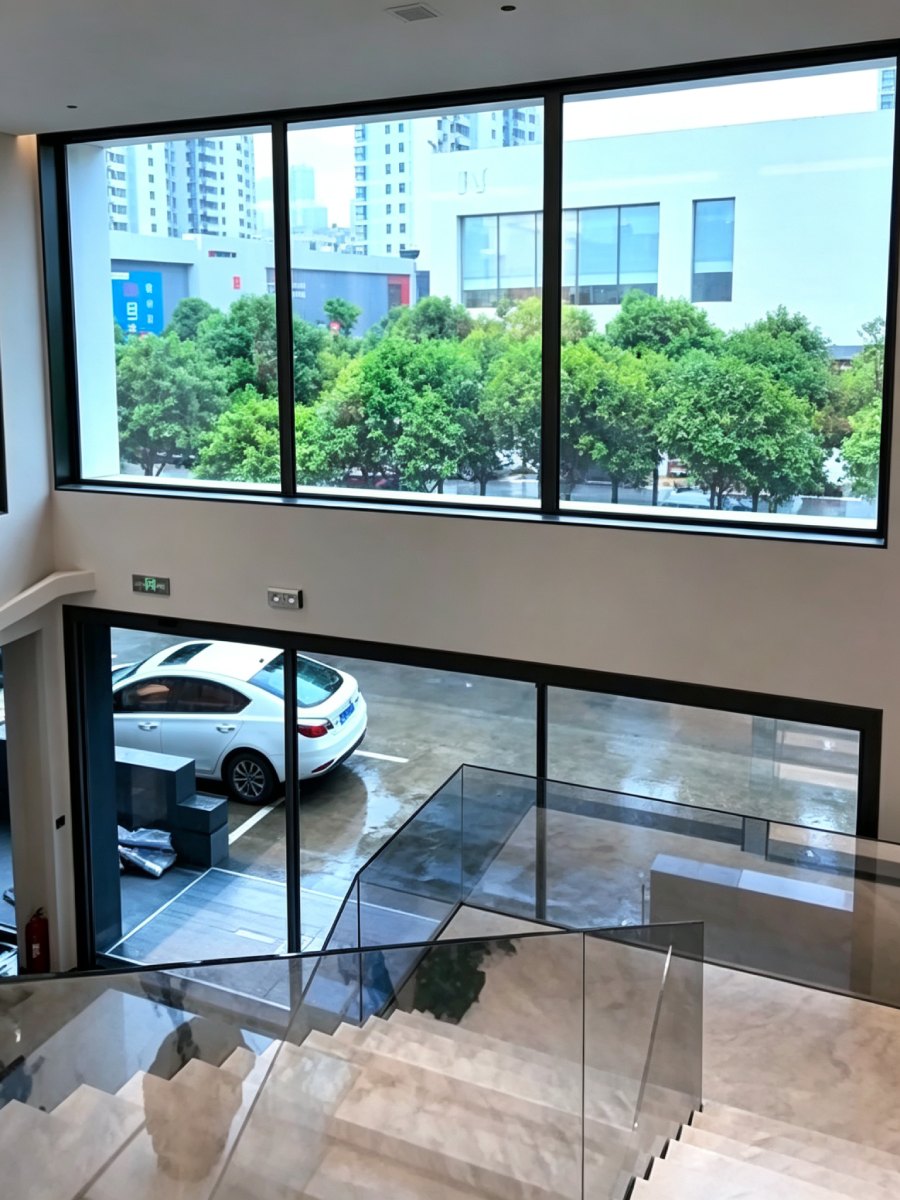
The large-format vacuum glass provides a bright, open visual environment while allowing the showroom to maintain its connection with the street-facing exterior.
The panoramic sliding-door facade also supports the spacious and premium character of the Jianyi 4.0 showroom.
A Glazing Approach for High-Performance Showrooms
The Jianyi 4.0 Showroom demonstrates how high-performance glazing can address several facade requirements at the same time.
Instead of treating solar heat, cooling demand, street noise and transparency as separate problems, the glazing system combines:
Thermal insulation
Solar heat control
Acoustic comfort
High transparency
Large-format panoramic glazing
A clean architectural appearance
For commercial showrooms with extensive west-facing glazing, the goal is not simply to block the sun. It is to manage solar heat while preserving the daylight, visibility and architectural openness of the space.
LandVac Titanium Vacuum Glass provides one glazing approach for achieving this balance.
Frequently Asked Questions
1. How can solar heat gain be reduced through a west-facing glass facade?
High-performance glazing can help reduce heat transfer and solar heat gain through a west-facing facade. Vacuum glass, particularly when combined with Low-E glass, can improve the thermal performance of the glazing while maintaining daylight and transparency.
2. What type of glass is suitable for a west-facing commercial showroom?
The appropriate glazing depends on factors such as solar exposure, climate, facade orientation, thermal requirements, acoustic requirements and daylight expectations. High-performance vacuum glazing can be considered when both thermal insulation and transparency are important.
3. How does LandVac vacuum glass help a west-facing showroom?
At the Jianyi 4.0 Showroom, LandVac Titanium Vacuum Glass is used in a hybrid insulating glass + vacuum glass configuration. The glazing helps improve thermal insulation and acoustic comfort while maintaining the transparent appearance of a panoramic glass facade.
4. Can vacuum glass help reduce cooling demand?
By reducing heat transfer through the glazing, high-performance vacuum glass can help reduce the cooling load associated with the building envelope. Actual energy savings depend on factors including climate, facade orientation, glass area, shading, HVAC systems and building operation.
5. What glass configuration was used in the Jianyi 4.0 Showroom?
The project uses 12T + 14A Warm Edge + 8TL Low-E + 0.3V + 8T Ultra-Clear Tempered Glass in a hybrid insulating glass + vacuum glass configuration.